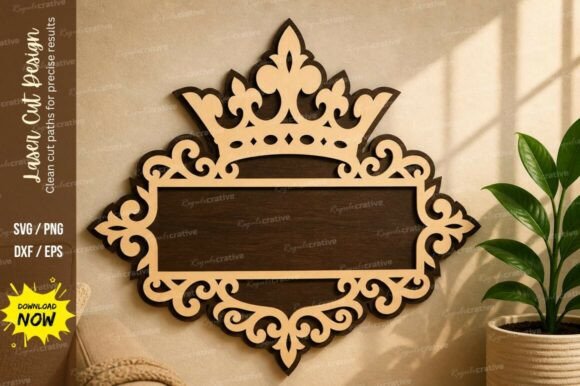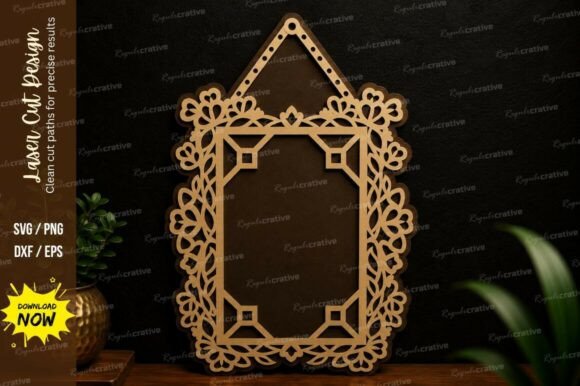
Mastering Your Projects with a Premium Ornamental Hanging Frame Laser Cut SVG
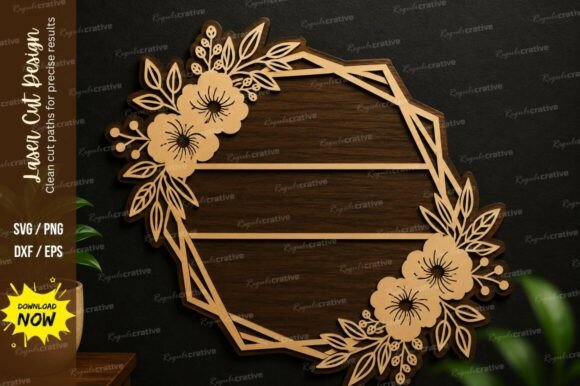
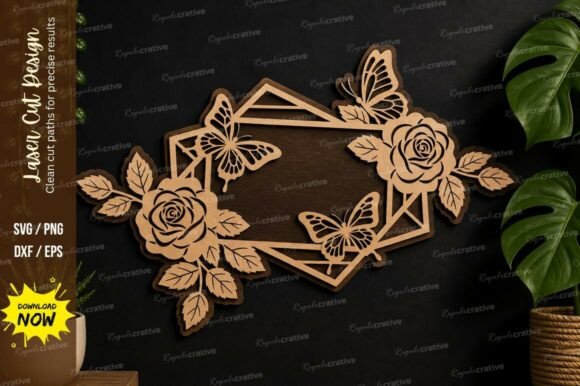
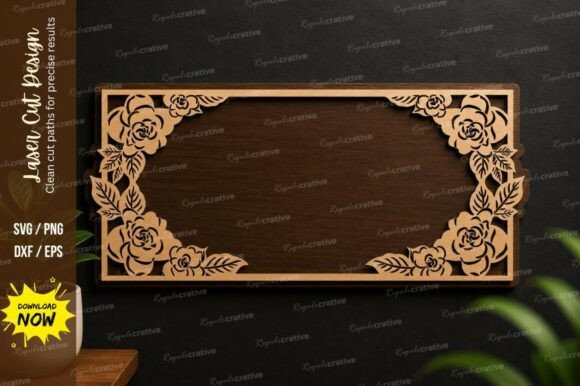
There is a distinct satisfaction in watching a laser cutter bring a digital design to life, transforming a flat sheet of material into an intricate piece of art. For creators looking to elevate their home decor or product lines, an Ornamental Hanging Frame Laser Cut SVG offers a perfect blend of elegance and functionality. These designs are not just decorative; they serve as versatile foundations for wall art, photo displays, and personalized gifts. However, the journey from downloading a file to holding a finished product is often where things can go wrong if you aren't careful. Many enthusiasts rush into cutting without fully evaluating their files or materials, leading to wasted time and resources.
The appeal of these frames lies in their adaptability. Whether you are working with warm walnut wood, crisp acrylic, or even sturdy cardstock, a well-prepared vector file allows for endless customization. Yet, not all design files are created equal. A common misunderstanding among beginners and seasoned makers alike is assuming that any file labeled "SVG" will cut cleanly on any machine. This assumption often leads to frustration when nodes are too dense, lines are open, or scales are incorrect. To ensure your projects look professional rather than amateurish, it is crucial to understand what makes a design file truly premium and how to avoid the pitfalls associated with lower-quality downloads.
Avoiding the Trap of Poor File Quality
One of the most frequent mistakes creators make is prioritizing quantity over quality when sourcing design assets. You might find a bundle claiming to have hundreds of frames, but if the vectors are messy, your laser head will stutter, burn edges, or fail to cut through entirely. A high-quality Ornamental Hanging Frame Laser Cut SVG should feature clean paths with optimized nodes. Excessive nodes can cause the laser to pause microscopically at every point, resulting in burn marks that ruin the aesthetic of delicate curves.
Furthermore, many users overlook the importance of file format versatility. While SVG is the standard for web and many cutting programs, relying solely on one format limits your workflow. Professional packages include DXF for CAD software, EPS for Adobe Illustrator, and PDF for universal viewing. If your chosen file set lacks these options, you may find yourself struggling to import designs into specific CNC software or losing precision during conversion. Always verify that the package you are considering offers multiple formats like SVG, EPS, PNG, DXF, and PDF to ensure compatibility with your specific ecosystem, whether you use LightBurn, Inkscape, or CorelDRAW.
Material Misconceptions and Scaling Errors
Another area where errors frequently occur is in the relationship between the design scale and the material thickness. An ornamental frame often includes intricate inner details and connecting bridges. If you resize a design without checking these tolerances, you risk creating fragile points that snap during handling or weaving. For instance, shrinking a large frame design to fit a small coaster without adjusting the line weight can result in bridges that are too thin for the laser to leave intact, especially in thicker woods.
It is also vital to match the design complexity to your material. A highly detailed filigree pattern might look stunning in 3mm acrylic but could become a charred mess in 6mm plywood if the kerf (the width of the cut) isn't accounted for. Before sending a job to your machine, always perform a test cut on a scrap piece of the same material. This simple step saves expensive sheets from becoming kindling. Additionally, consider the end-use of the frame. If it is intended to hang heavy items, ensure the vector design includes reinforced mounting points or loops that are integrated into the cut path rather than added as an afterthought.
- Check Node Density: Open the file in your vector editor and zoom in. Are there unnecessary points along straight lines? Simplify them to ensure smooth cutting.
- Verify Closed Paths: Ensure all shapes are closed loops. Open paths can cause the laser to cut unpredictably or leave gaps in your frame.
- Assess Bridge Width: Look for the thinnest parts of the design. They should be wide enough to withstand the material's natural fragility after cutting.
- Confirm Layer Separation: Good files often separate cut lines from engrave lines onto different layers or colors, saving you setup time.
Maximizing Efficiency with Ready-to-Cut Files
Time is a valuable resource for entrepreneurs and hobbyists alike. Spending hours fixing broken vectors defeats the purpose of buying a digital asset. A premium design set is characterized by its "ready-to-cut" status. This means the designer has already done the heavy lifting: grouping elements logically, setting appropriate line colors for power/speed settings, and ensuring the design is centered and scaled correctly. When you download a file that requires significant cleanup, you are essentially paying for raw data rather than a solution.
Consider the scenario of a small business owner preparing for a holiday market. They need to produce fifty hanging frames quickly. If they chose a low-quality file that requires manual node editing for each iteration, their production timeline doubles. Conversely, using a premium quality laser cutting design file set allows them to import, nest, and cut immediately. This efficiency translates directly to profitability and reduced stress. The ability to resize without losing quality is another critical feature; vector-based formats like SVG and EPS allow you to scale the frame from a tiny ornament to a large wall statement without pixelation or loss of detail, something raster images like standard JPGs cannot offer.
Making the Right Choice for Your Workflow
Before finalizing a purchase or starting a project, take a moment to evaluate the source of your files. Reputable designers often provide previews, detailed descriptions of included formats, and sometimes even photos of the physical cut result. This transparency is a hallmark of E-E-A-T (Experience, Expertise, Authoritativeness, and Trustworthiness) in the digital marketplace. Avoid sellers who provide vague descriptions or low-resolution screenshots that hide potential flaws.
Moreover, think about the longevity of your project. A well-designed Ornamental Hanging Frame Laser Cut SVG is an investment that can be reused countless times with different materials and finishes. You might cut one in cherry wood for a rustic look, another in mirrored acrylic for a modern vibe, and perhaps a third in heavy cardstock for a wedding invitation suite. The versatility of a clean vector file supports this creative freedom. By choosing files that are compatible with most laser CNC machines and easy to modify, you future-proof your library of assets.
In conclusion, the difference between a mediocre project and a masterpiece often lies in the preparation. By selecting high-quality, multi-format files and understanding the nuances of material interaction, you can avoid common frustrations and focus on what matters most: creating beautiful, functional art. Take the time to inspect your vectors, respect the limitations of your materials, and leverage the convenience of instant download assets that are truly prepared for precision cutting. Your laser cutter is a powerful tool, and feeding it the best possible data ensures it performs at its peak, delivering results that you and your customers will admire.