Choosing the Right Laser Cut Heart Photo Frame SVG for Your Project
When planning a personalized gift or a decorative piece for a special occasion, the choice of digital design files plays a critical role in the final outcome. A Laser Cut Heart Photo Frame SVG represents a specific category of vector art designed explicitly for computer-controlled cutting machines. Unlike standard raster images used for printing, these files contain mathematical paths that tell a laser cutter exactly where to burn, cut, or engrave. Understanding the nuances of this file type, along with the various formats included in a comprehensive design package, is essential for hobbyists and professionals alike who wish to create high-quality wooden or acrylic frames.
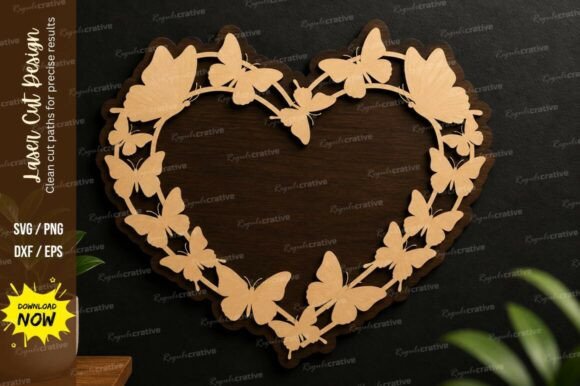
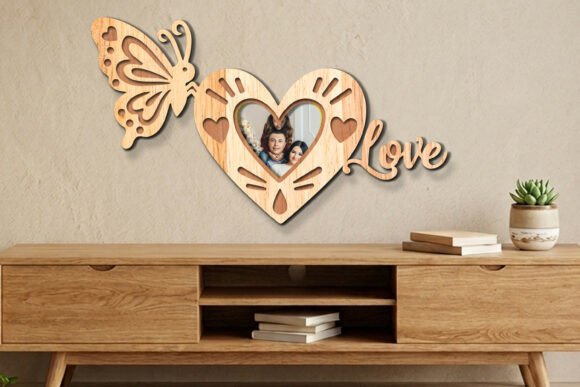
The distinct advantage of using a dedicated heart photo frame design lies in its structural integrity and aesthetic balance. These designs are not merely outlines; they are engineered to hold a photograph securely while showcasing an intricate romantic motif. When evaluating options, one must consider how the design interacts with the chosen material. A well-constructed Laser Cut Heart Photo Frame SVG accounts for kerf—the width of the material removed by the laser—ensuring that tabs and slots fit together snugly without requiring excessive glue or force. This precision is what separates professional-grade vectors from amateur drawings found on general image sites.
Evaluating File Formats: Beyond the Standard SVG
One of the most significant factors in selecting a design resource is the variety of file formats provided. While the term "SVG" is often used as a catch-all for vector graphics, a robust download package typically includes multiple extensions to ensure compatibility across different software ecosystems. A comprehensive set usually contains AI vector files for Adobe Illustrator users, EPS files for broader vector compatibility, and the ubiquitous SVG file for web-based tools like Cricut Design Space or Silhouette Studio.
However, for those working with industrial machinery or specialized CAD software, the inclusion of DWG and DXF files is paramount. These formats are native to Autodesk applications and other Computer-Aided Design (CAD) programs. If your workflow involves AutoCAD, Fusion 360, or CorelDRAW, relying solely on an SVG might require conversion steps that can sometimes introduce scaling errors or broken paths. Having direct access to DXF and DWG files streamlines the process, allowing for precise dimensioning and layer management before the file ever reaches the laser cutter. Additionally, high-resolution PNG and JPG files are invaluable for previewing the design, creating marketing mockups, or using them in non-vector editing software.
Material Considerations: Wood vs. Acrylic
The versatility of a Laser Cut Heart Photo Frame SVG is best realized when matched with the appropriate material. Wood and acrylic are the two primary substrates used for these projects, each offering distinct visual and structural characteristics. When cutting wood, such as birch plywood or MDF, the laser creates a warm, burnt edge that adds rustic charm. The organic grain of the wood complements the romantic theme of a heart-shaped frame, making it an ideal choice for anniversaries and weddings. However, wood thickness can vary, and the design must accommodate potential warping or slight inconsistencies in the material density.
In contrast, acrylic offers a sleek, modern aesthetic with crisp, polished edges, especially when using a cast acrylic sheet. A heart frame cut from clear or colored acrylic allows light to pass through, creating a stunning effect when backlit or placed near a window. The trade-off here is that acrylic requires different power and speed settings on the laser cutter to avoid melting or excessive flaming. Furthermore, the structural rigidity of acrylic means that intricate, thin details in the SVG design might be more fragile compared to wood. When choosing between these materials, consider the environment where the frame will be displayed and the skill level required to assemble the layers without damaging the material.
Comparing Pre-Made Designs vs. Custom Drafting
Creators often face the decision of downloading a pre-made Laser Cut Heart Photo Frame SVG or drafting one from scratch. Drafting your own design offers total creative control, allowing for unique dimensions and personalized embellishments. However, this approach demands a high level of proficiency in vector software and a deep understanding of laser cutting physics, such as tab sizing, joint tolerance, and material waste optimization. For many, the time investment required to engineer a structurally sound frame outweighs the benefits of customization.
Pre-made designs, particularly those that come with a full suite of file formats like AI, EPS, and DXF, offer a reliable shortcut. These files have typically been tested for common pitfalls, such as overlapping lines that cause double-cutting or gaps that prevent assembly. By utilizing a professionally prepared Laser Cut Heart Photo Frame SVG, you reduce the risk of material waste and machine time errors. This is particularly important when producing gifts for time-sensitive events like Valentine's Day. The efficiency gained allows the creator to focus on the finishing touches—sanding, staining, or assembling—rather than troubleshooting vector paths.
Ideal Use Cases and Occasions
The application of these designs extends far beyond simple home decor. A Laser Cut Heart Photo Frame SVG is a versatile asset for small business owners, Etsy sellers, and event planners. For wedding favors, these frames can be mass-produced in bulk, customized with the couple's names via additional engraving, and assembled as keepsakes for guests. Similarly, for anniversaries, the romantic symbolism of the heart shape combined with a cherished photograph creates an emotionally resonant gift.
Couple gifts and Valentine's Day presents also represent a peak season for these projects. The ability to quickly adapt the design to different sizes—from small tabletop versions to larger wall-mounted pieces—makes the SVG format highly adaptable. When evaluating whether this specific design style fits your needs, consider the target audience. If the recipient appreciates handmade, tactile items with a personal touch, a laser-cut frame is superior to a mass-produced plastic alternative. However, if the goal is ultra-modern minimalism or if the budget strictly prohibits material costs, simpler flat-print options might be more appropriate.
Limitations and Decision Factors
While the Laser Cut Heart Photo Frame SVG is a powerful tool, it is not without limitations. The complexity of the design can be a hurdle for beginners using lower-wattage diode lasers, which may struggle with thick materials or intricate internal cuts. In such cases, simplifying the design or choosing a thinner material becomes necessary. Additionally, the assembly process often requires patience and dexterity; multi-layered frames need careful alignment to ensure the photo sits flush and the structure remains square.
Another consideration is the software ecosystem. If you do not have access to software that supports AI, EPS, or DXF files, the utility of the premium file package diminishes. Users restricted to basic mobile apps should verify that the included SVG file is compatible with their specific platform before purchasing. Finally, always review the license terms associated with the download. Some files are for personal use only, while others permit commercial sales of the physical finished product. Ensuring compliance with these terms is a crucial part of the decision-making process for entrepreneurs.
In conclusion, selecting the right digital file is the foundation of a successful laser cutting project. A comprehensive Laser Cut Heart Photo Frame SVG package, offering formats ranging from AI and EPS to DXF and DWG, provides the flexibility needed for various workflows and materials. Whether working with the warmth of wood or the clarity of acrylic, understanding the strengths and trade-offs of these designs enables creators to produce high-quality, meaningful gifts. By weighing factors such as material compatibility, software requirements, and intended use, you can make an informed choice that aligns with your creative goals and technical capabilities.