Transforming Corners into Masterpieces: The Ultimate Guide to Laser-Cut Floating Wood Shelves
In the realm of interior design, the corner of a room has long been considered "dead space." It is that awkward intersection where walls meet, often collecting dust or housing a lonely potted plant. However, with the advent of digital fabrication and the rising popularity of modern corner shelf design laser cut technology, these neglected nooks are being transformed into functional works of art. Whether you are a hobbyist with a CNC router, a small business owner looking to expand your product line, or a DIY enthusiast eager to customize your home office, understanding the potential of laser cut furniture files can revolutionize how you approach storage and decor.
This guide explores the significance of geometric wall storage patterns, the technical nuances of preparing files for cutting and engraving, and how these minimalist interior decor templates fit into the broader context of modern living and creativity.
The Renaissance of the Corner Shelf
Traditionally, corner shelves were bulky, triangular wooden boxes that dominated a room rather than complementing it. They were difficult to install and often clashed with contemporary aesthetics. Today, the shift toward minimalist interior decor has driven a demand for sleeker, lighter, and more intricate solutions. Enter the floating wood wall shelf.
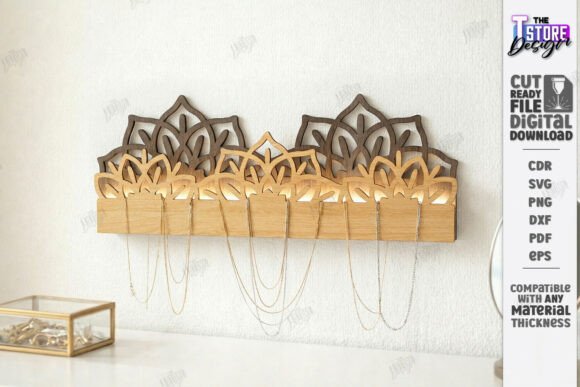
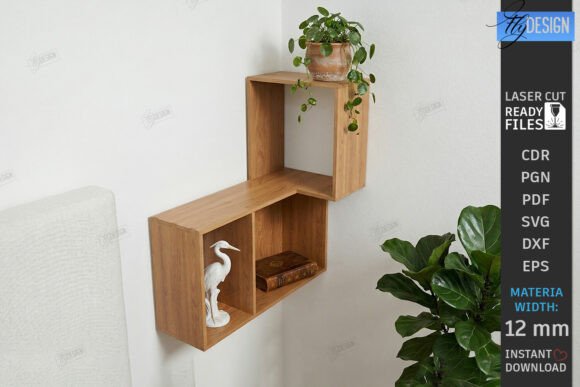
Unlike traditional shelving that relies on visible brackets or heavy cabinetry, floating shelves create an illusion of weightlessness. When combined with laser cut techniques, these shelves can feature complex geometric wall storage patterns that were previously impossible to achieve with standard woodworking tools. The precision of laser cutting allows for intricate latticework, interlocking joints, and decorative motifs that turn a simple decorative corner display unit into a focal point of the room.
For the modern homeowner, this represents more than just storage; it is a statement of style. In small apartments or compact home offices, maximizing vertical space without visual clutter is crucial. A well-designed corner unit utilizes the often-wasted vertical axis, providing a home office organizer solution that keeps desks clear while displaying books, plants, or memorabilia with elegance.
Understanding the Technology: From Vector to Reality
To appreciate the value of these designs, one must understand the workflow behind them. The process begins not with a saw, but with a computer. Designers create vector-based illustrations that serve as the blueprint for the machine. These digital products typically come in a zip archive containing multiple file formats to ensure compatibility with various software and hardware setups.
A standard package for a laser cut furniture file will include:
- SVG (Scalable Vector Graphics): Ideal for web-based design tools and many laser software interfaces.
- EPS (Encapsulated PostScript): A staple for professional graphic design software like Adobe Illustrator.
- DXF (Drawing Exchange Format): The universal language for CAD (Computer-Aided Design) programs, essential for engineering precision.
- PDF (Portable Document Format): Useful for quick previews and printing templates.
- PNG (Portable Network Graphics): Often included for visual reference or for machines that utilize image-based tracing.
Having access to this variety of formats ensures that whether you are using LightBurn, RDWorks, or proprietary machine software, you can import the design seamlessly. If you find yourself needing a specific file type not listed, reputable sellers often encourage customers to send a message to request other types of files or even specific color sizes for PNG previews, ensuring a smooth user experience.
The Critical Role of Line Colors: Red vs. Black
One of the most common points of confusion for beginners in laser cutting is interpreting the line colors within the design file. In the context of modern corner shelf design laser cut templates, color coding is not aesthetic; it is instructional.
Typically, the design follows a strict convention:
- RED Line – CUT: Any path drawn in red tells the laser machine to engage its full power to slice completely through the material. This creates the outer shape of the shelf and any internal cutouts that need to be removed entirely.
- BLACK Line – ENGRAVE: Paths in black indicate that the laser should only mark the surface. This is used for decorative details, texture patterns, or assembly instructions etched directly onto the wood.
It is vital to verify that your cutting machine and software are compatible with these color settings. Most modern laser controllers allow users to map specific colors to specific actions (cutting speed, power, and frequency). Misinterpreting these lines could result in a shelf that is merely scorched rather than cut, or conversely, a decorative pattern that is accidentally sliced out of existence. Always perform a test run on scrap material to confirm your machine's response to the file's color codes.
Practical Applications in Modern Life
The versatility of geometric wall storage patterns extends far beyond the living room. In the educational sector, schools and makerspaces use these templates to teach students about geometry, structural integrity, and digital manufacturing. By assembling a CNC router shelving set, students learn how flat-pack designs rely on friction fits and joinery rather than nails or glue, fostering an understanding of sustainable design principles.
In the business world, retail stores and cafes utilize these units as decorative corner display units to showcase products. The ability to customize the design means a brand can incorporate its logo via the engraving function (black lines) while maintaining a cohesive look with the cut structure (red lines). This level of customization supports small businesses in creating unique in-store experiences without the high cost of custom carpentry.
Furthermore, for the remote worker, the home office organizer aspect cannot be overstated. A corner shelf unit can hold monitors, routers, and paperwork, freeing up the primary desk surface for creative work. The open, geometric nature of laser-cut designs prevents the space from feeling cramped, maintaining an airy atmosphere conducive to productivity.
Material Considerations and Assembly
While the digital file provides the roadmap, the choice of material determines the final outcome. Plywood, particularly birch or Baltic birch, is the gold standard for floating wood wall shelves due to its strength-to-weight ratio and attractive grain. MDF (Medium Density Fiberboard) is another popular choice for painted finishes, offering a smooth surface that takes paint evenly.
When working with these templates, thickness matters. Most designs are optimized for specific material thicknesses (e.g., 3mm, 6mm, or 18mm). Using a material that is too thin may compromise structural integrity, while material that is too thick may prevent the interlocking joints from fitting together. Always check the designer's recommendations before purchasing your wood.
Assembly is generally straightforward, often requiring no tools other than a rubber mallet and some wood glue. The precision of the laser cut ensures tight tolerances, meaning the pieces slot together securely. This "flat-pack" philosophy mirrors the efficiency of major furniture retailers but offers the added benefit of unique, artistic design.
Common Misunderstandings and Tips for Success
A frequent assumption among newcomers is that laser-cut furniture is fragile. While the intricate patterns may look delicate, the geometric distribution of weight often makes these structures surprisingly robust. Another misconception is that you need an industrial-grade machine to produce these items. In reality, many desktop CO2 lasers and even high-end diode lasers are capable of cutting the plywood thicknesses required for these shelves.
However, success relies on preparation. Before sending your job to the laser:
- Verify the scale of the imported file to ensure it matches your intended dimensions.
- Double-check that all red lines are closed paths (no gaps) to ensure clean cuts.
- Ensure your material is flat and free of warping to prevent focus issues during cutting.
If you encounter issues or have questions about scaling the design for a larger wall, do not hesitate to reach out. Many creators invite users to write a message if they have questions or need adjustments, fostering a supportive community around digital craftsmanship.
Conclusion: Embracing the Future of Fabrication
The evolution of the corner shelf from a utilitarian afterthought to a centerpiece of minimalist interior decor highlights the transformative power of technology in everyday life. By leveraging modern corner shelf design laser cut files, individuals and businesses can bridge the gap between digital design and physical utility. Whether you are organizing a home office, decorating a cafe, or teaching the next generation of makers, these templates offer a perfect blend of form and function.
As you explore the possibilities of woodwork CNC router shelving sets, remember that the true value lies not just in the final product, but in the process of creation. The ability to take a digital concept and manifest it into a tangible, useful object is the essence of modern making. So, follow the trends, experiment with different materials, and perhaps most importantly, keep an eye on future releases from designers who continue to push the boundaries of what a simple shelf can be. With the right files and a bit of creativity, every corner of your space holds the potential for something extraordinary.